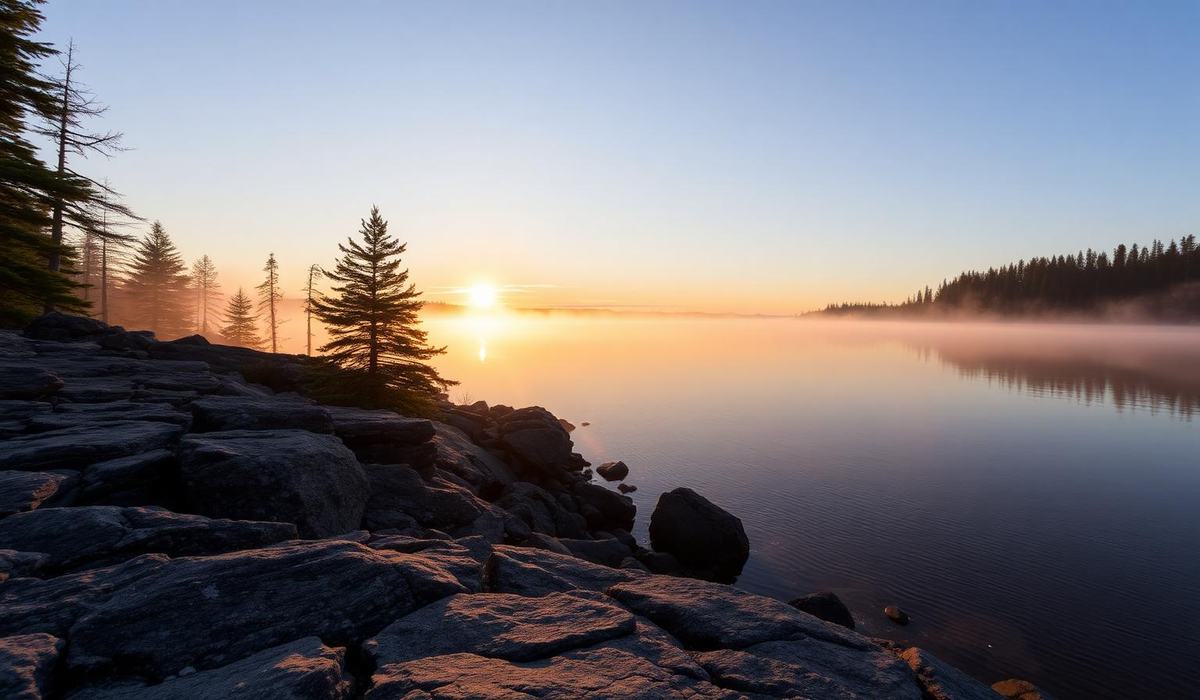
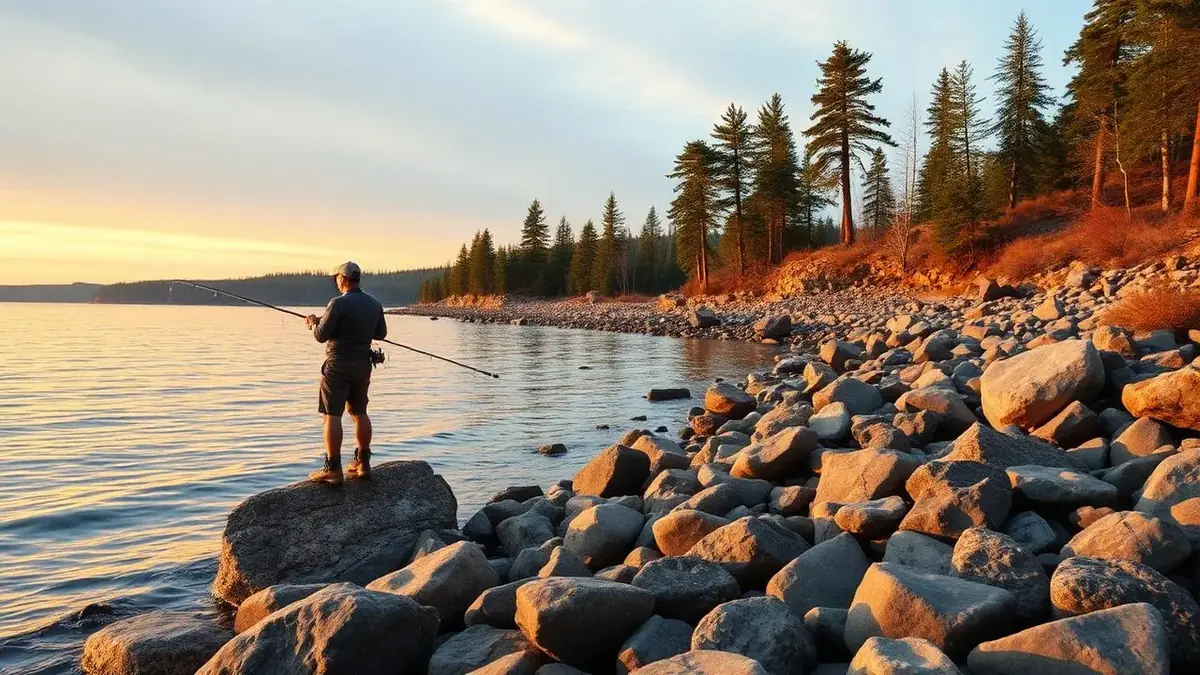
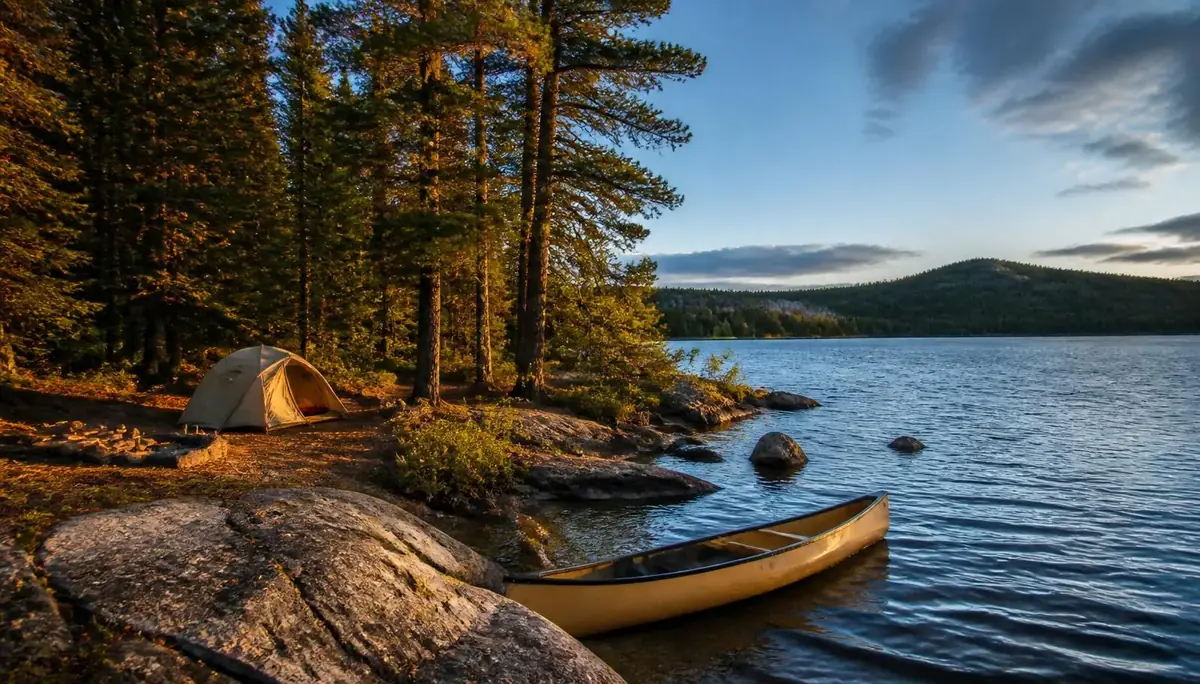
Algonquin Provincial Park is Ontario's original wilderness — established in 1893, spanning roughly 7,630 square kilometres, and holding more than 1,500 lakes and 1,200 kilometres of streams. It's also one of the best trout fisheries left in the world, and almost all of the good water is reachable only by canoe.
There are no roads into the interior. If you want the lakes where the record fish come from, you paddle and portage to get there.
Algonquin holds more than a quarter of Ontario's remaining native brook trout lakes and streams — the highest concentration found anywhere — along with roughly 10% of the province's native lake trout lakes. The park's interior lakes see only light fishing pressure simply because of how hard they are to reach, while the lakes along the Highway 60 corridor get hit harder and carry tighter special regulations to protect them.
The payoff for the extra effort is real: in 1990, both the largest lake trout and the largest brook trout ever recorded in Ontario came out of "canoe-only" lakes inside Algonquin, and in the late 1980s the province's biggest walleye came from Algonquin water two years running. On many interior lakes, motors and floatplanes are prohibited outright — a canoe is genuinely the only way in.
Fifty-four fish species have been recorded in the park, but anglers come primarily for a short list.
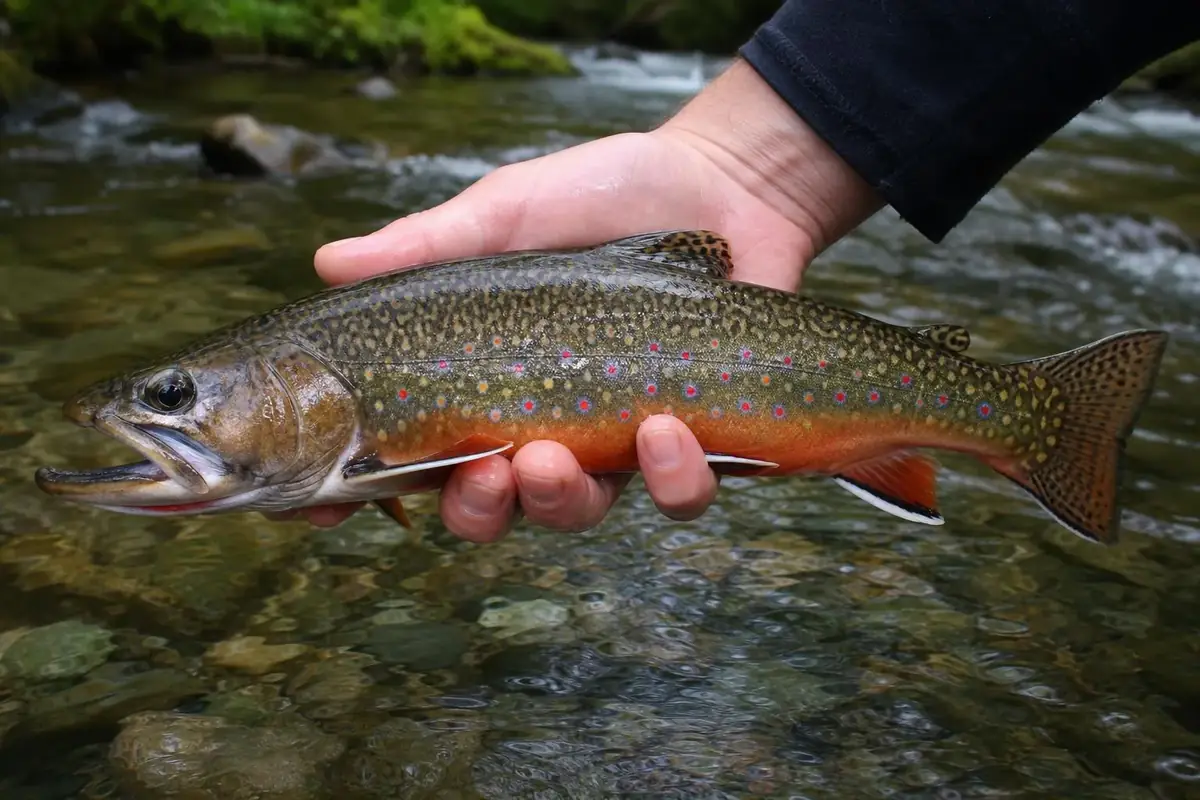
- Brook (speckled) trout — the park's signature fish, in remote lakes and headwater streams
- Lake trout — deep, cold lakes, best fished early season near the surface
- Splake (a brook trout–lake trout hybrid) — stocked regularly in Highway 60 corridor lakes
- Smallmouth bass — aggressive summer fishing once bass season opens
- Walleye, northern pike, muskie, and lake whitefish — found in select lakes and river systems
- Algonquin Brook Trout Guide — Tactics for the park's signature fish.
- Backcountry Brook Trout in Ontario — How to find wild specks beyond the road.
- Lake Trout Species Guide — Depth, season and presentation basics.
Algonquin has 29 designated backcountry access points around the park's perimeter and along Highway 60. Each is a parking-lot-to-put-in launch point onto the canoe route network — most have no developed campground, though some have a permit office nearby. These are the ones worth knowing for a fishing trip.
Highway 60 corridor (busiest, most convenient): Canoe Lake (Access Point #5) at km 14.1 is the busiest launch in the park — expect crowds on summer weekends, but it's the gateway to Tom Thomson Lake and other well-stocked corridor lakes. Rock Lake (Access Point #9) gives good access toward Lake Louisa and the park's south end. Lake Opeongo (Access Point #11), 6 km north of km 46.3, is Algonquin's largest lake, known for lake trout and smallmouth, with the Opeongo Store outfitter right at the access point.
Quieter, more remote water: Kawawaymog / Round Lake (Access Point #1), north of the park via Kearney, is the classic entry to the northwest corner — big lakes and narrow rivers toward North Tea Lake, good trout fishing with only moderate portaging. Magnetawan Lake (Access Point #3) and Rain Lake (Access Point #4), also via Kearney, serve the park's less-travelled northwest. Shall Lake (Access Point #17) is a good option for northern pike and the trailhead for the historic McKaskill Lake log cabin (built 1932), a full day's paddle in. Kioshkokwi Lake / Kiosk (Access Point #29) off Highway 17 is a northern entry with its own campground office. North River, McManus Lake and Lake Travers (Access Points #26, #21, #23), reached via the Sand Lake Gate and Barron Canyon Road on the east side, lead into the Petawawa River system — home to catfish in lakes like McManus and Lake Travers.
Note that some access points require four-wheel-drive or high-clearance vehicles depending on road conditions, and a few backcountry office locations are being phased out for the 2026 season in favour of centralized information lines. Call the park's information line at 705-633-5572 or check current alerts before you drive out, since road and office status changes year to year.
- Ontario Provincial Parks Fishing Guide — Park-by-park fishing options across the province.
- Central Ontario Fishing Spots — Drive-to water around the park's south and west edges.
- Interactive Fishing Map — Plot access points and nearby waters before you go.
- Ontario Recreational Fishing Licence required. Most anglers need a valid Outdoors Card and licence, available online or at any park permit station / access point. Ontario residents under 18 and over 65 are exempt from the licence (minors must fish with a licensed adult).
- No live bait fish, anywhere in the park. Dip nets and baitfish traps are also prohibited. Algonquin sits within Ontario's Central Bait Management Zone, and live or dead baitfish/leeches cannot be transported into or out of the zone (dead, preserved bait is the exception).
- Special regulations apply, including slot limits and voluntary catch-and-release lakes, especially along the busier Highway 60 corridor. Check the current Ontario Recreational Fishing Regulations Summary for the specific waterbody you're fishing — rules vary lake to lake.
- No ice fishing. Trout season is closed through winter.
- Can and bottle ban in all interior areas — no glass or non-burnable containers; returnable metal cans are also banned (reusable containers for repeated use are fine).
- Interior camping permits and fishing licences are both available at permit stations, often right at the access point.
- Ontario Fishing Rules & Regulations — Seasons, limits and licence requirements by zone.
- Ontario Fishing Zones Explained — How FMZ rules change from lake to lake.
- Ontario Fishing Licence 2026
- Ontario Outdoors Card
The general Algonquin fishing season runs from the last Saturday in April through September 30. Early season — through late June — is prime time for brook and lake trout, since cold surface water keeps them shallow and accessible. Bass season opens in late June, after which smallmouth become the more reliable summer target. Trout fishing tends to pick back up again as water cools in fall, right up until the season closes.
Ontario Parks also runs an angler survey program each spring to help track trout populations; survey packages are available at operating Algonquin offices starting on opening day, and completing one (mailed back postage-paid) helps the park set sustainable regulations.
- Water Temperature and Ontario Fishing — Why early-season trout sit shallow and then vanish.
- Fly Fishing in Ontario — A natural fit for park brook trout water.
- Weekly Fishing Report — What's happening across Ontario right now.
- Canoe rentals are available at two main outfitters inside the park: the Portage Store on Canoe Lake (km 14.1) and the Opeongo Store near Lake Opeongo (km 46.3), both bookable online or by phone.
- ParkBus runs transportation from Toronto and Ottawa with stops along the Highway 60 corridor, including the Canoe Lake and Opeongo access points, if you don't want to drive.
- The official Algonquin Canoe Routes Map, published by the Friends of Algonquin Park, shows the full route network, portages and campsites, and is the map to travel with — a print copy costs $7.95 with proceeds supporting the park.
- As a rule of thumb, the best trout lakes tend to be the ones that take the most effort to reach. If you're willing to put in two days of paddling and portaging, the fishing pressure drops off fast and the water gets noticeably better.
- Kayak & Paddle Fishing — Paddle-craft tactics that carry over to a canoe.
- Ultimate Tackle Box Checklist — Pack light — you're carrying it over portages.
- Knots & Rigging — Fewer break-offs a day's paddle from the car.
Always confirm current access point status, road conditions, and lake-specific regulations directly with Ontario Parks (algonquinpark.on.ca / ontarioparks.ca) before heading out — conditions and office hours change season to season.
- Live Fishing Intel — Weather, solunar windows and species activity by location.
- Provincial Parks Fishing
More fishing near Algonquin Park
Topic Hub
Trout Fishing Ontario
Everything you need on this topic
Frequently Asked Questions
Do you need a canoe to fish Algonquin Park?
For the interior, effectively yes. There are no roads into the Algonquin interior and many lakes prohibit motors and floatplanes, so a canoe (and portaging) is the only way to reach the park's best trout water. The Highway 60 corridor lakes can be fished with less effort but see far more pressure.
What fish can you catch in Algonquin Park?
Fifty-four fish species have been recorded in the park. Anglers primarily target brook (speckled) trout, lake trout, stocked splake along the Highway 60 corridor, and smallmouth bass, with walleye, northern pike, muskie and lake whitefish in select lakes and river systems.
Can you use live bait in Algonquin Park?
No. Live baitfish are prohibited anywhere in the park, and dip nets and baitfish traps are also banned. Algonquin sits in Ontario's Central Bait Management Zone, so live or dead baitfish and leeches cannot be transported into or out of the zone — dead, preserved bait is the exception.
When is Algonquin fishing season?
The general season runs from the last Saturday in April through September 30. Early season through late June is prime for brook and lake trout while surface water is still cold; bass season opens in late June, and trout fishing improves again as water cools in fall. There is no ice fishing.
Where do you rent a canoe in Algonquin Park?
Two main outfitters operate inside the park: the Portage Store on Canoe Lake (Highway 60, km 14.1) and the Opeongo Store near Lake Opeongo (km 46.3). Both take online and phone bookings. ParkBus also runs transport from Toronto and Ottawa to Highway 60 corridor stops.
Related Articles
Species Guides
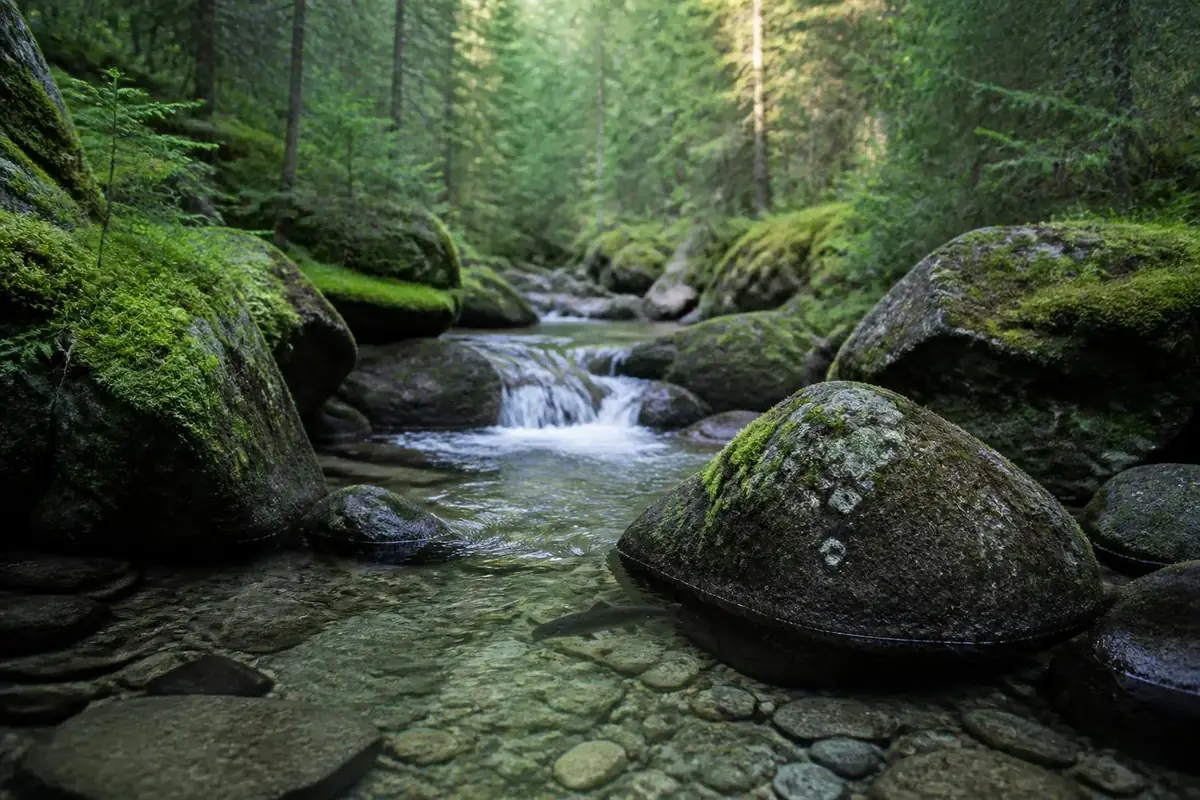
Algonquin's Secret Solitude: The Backcountry Guide to Quiet Brook Trout Corridors
A backcountry guide to the park's underfished interior — and how to fish it without crowds
Species Guides
Into the Bush: Targeting Brook Trout in Ontario's Backcountry Streams
How to find, fish, and protect wild native brook trout in the cold, cedar-lined creeks of the Canadian Shield.
Fishing Spots
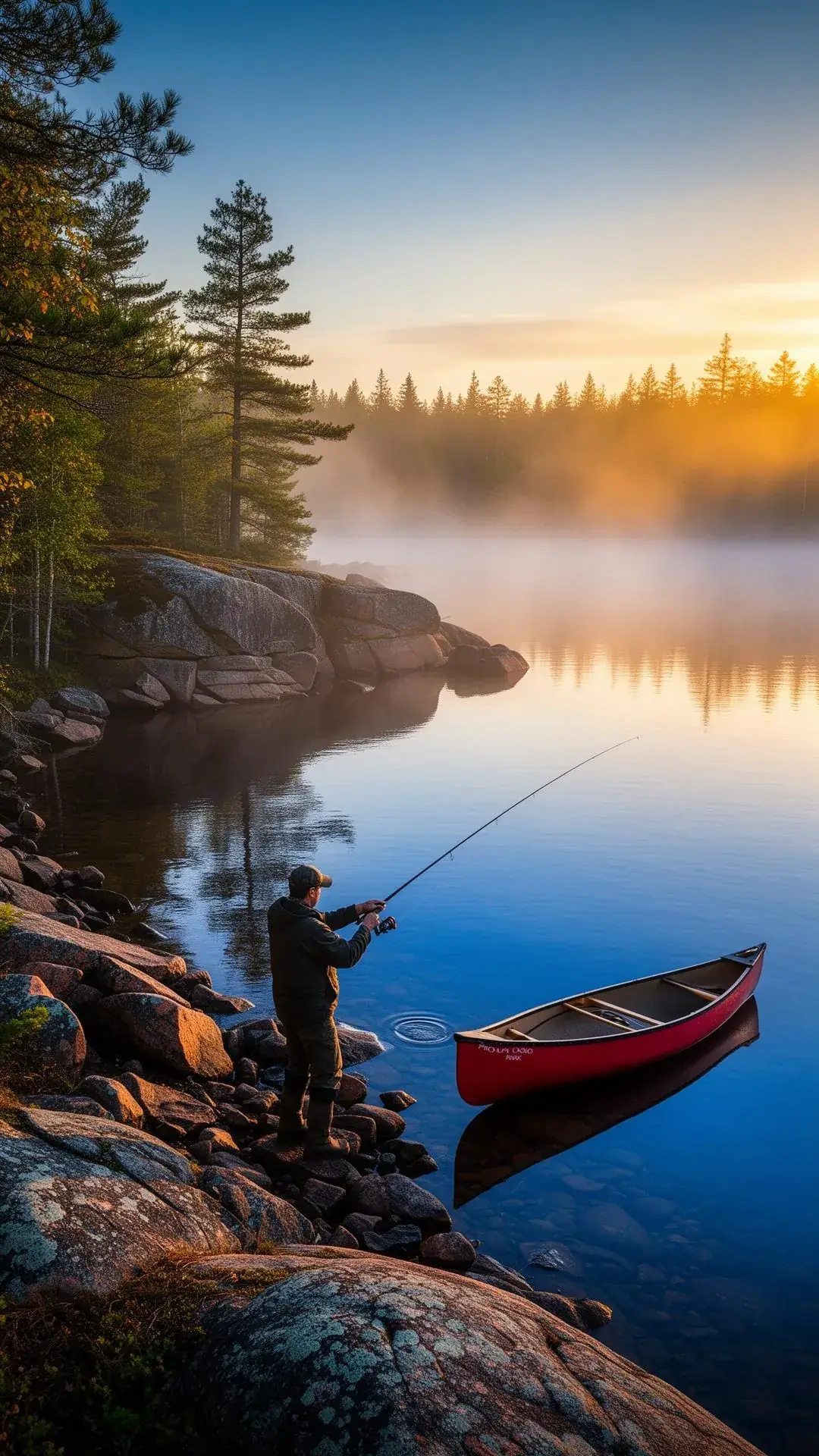
Fishing Ontario's Provincial Parks: A Province-Wide Guide to Casting in Protected Waters
From Algonquin's brook trout to Wabakimi's walleye — how to fish Ontario's best-protected, least-pressured waters.
Topic Hub
Trout Fishing Ontario
Everything you need on this topic