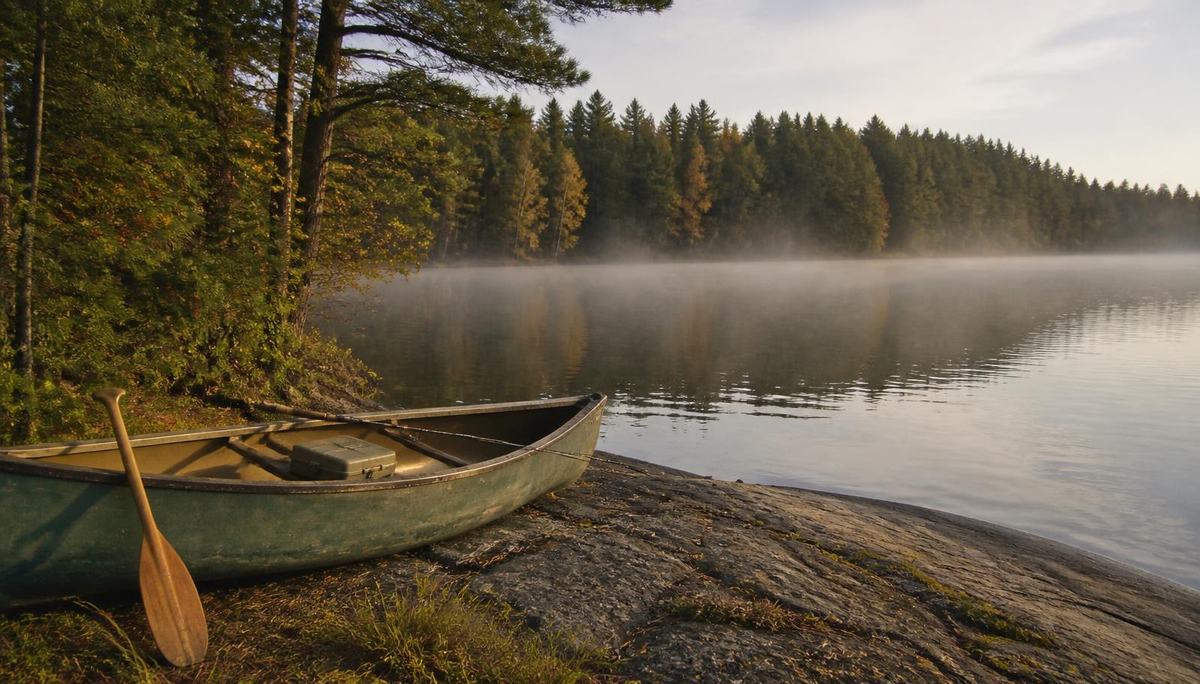
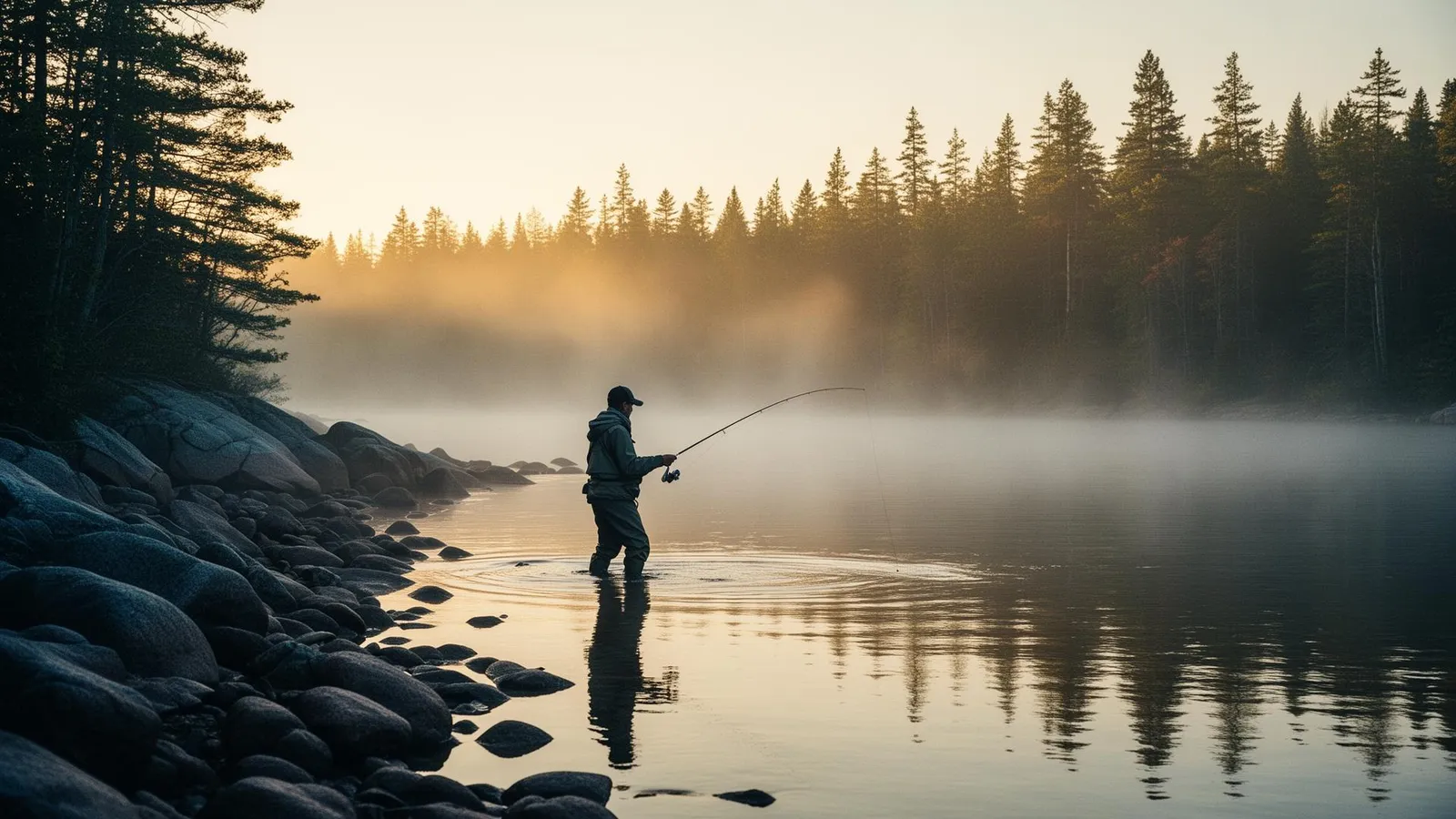
Ontario is one of the best freshwater fishing destinations on the continent, and that's exactly the problem for a lot of beginners — there's too much choice. Walk into any tackle shop and you'll hear anglers debating walleye, pike, and bass in equal measure. All three are widely available across the province, all three fight well, and all three end up on a lot of dinner plates. But they don't fish the same way, and picking the right one to learn on will save you a lot of frustrating, fishless days.
Here's an honest breakdown of each species to help you choose your starting point.
Walleye are Ontario's most prized table fish, and for good reason — their flaky, white, fat-rich fillets are considered by many anglers to be the best-eating freshwater fish in the province. They're also genuinely difficult for a beginner to consistently find and catch.
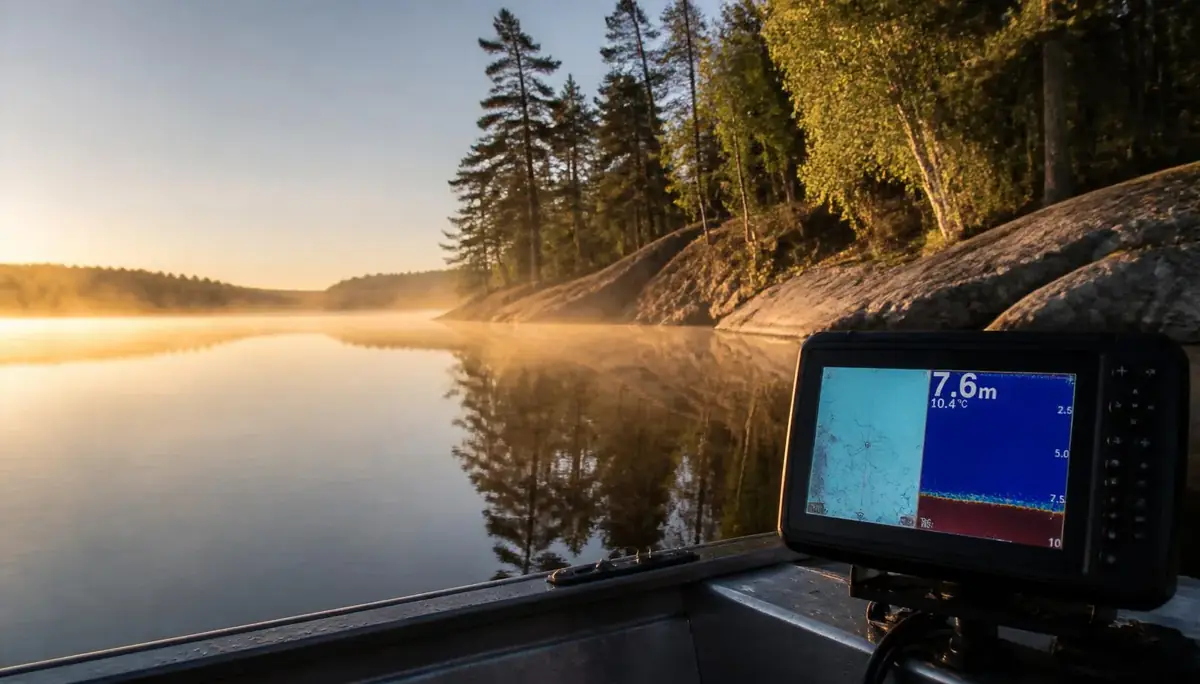
The core challenge is that walleye are ambush predators built for low light. Their large, light-sensitive eyes (the source of their name) mean they typically feed hardest at dawn, dusk, and after dark, and spend sunny midday hours holding deep or tucked into shaded structure. Most successful walleye anglers aren't casting blind — they're using electronics to locate schools relating to rocky points, drop-offs, and sandbars, then presenting jigs, bottom-bouncer worm harnesses, or slow-trolled crankbaits right at their depth.
Best for: Anglers with some patience, access to a boat and fish finder, or those fishing with a guide on a known walleye lake.
Where in Ontario: Lake Erie, Lake Nipissing, Rainy Lake, Lake of the Woods, and the Bay of Quinte system are all well-known walleye fisheries.
- Walleye Species Guide — Identification, seasons, baits and tactics in one place.
- How to Read a Fish Finder — The single biggest skill jump for walleye anglers.
- Best Ontario Lakes for Walleye — Where to point the boat once you've got the basics.
If you want fast action and forgiving fishing, pike are usually the answer. They're aggressive, opportunistic, and territorial, which means they'll often strike a lure out of reflex or irritation rather than genuine hunger — a huge advantage when you're still learning to "read" presentation and retrieve speed.
Pike relate predictably to visible, shallow-water structure: weed edges, lily pads, fallen timber, and bays with vegetation. You don't need electronics to find them; you need a bucktail spinner, spinnerbait, or spoon and the willingness to cast at anything green. One important gear note that beginners often skip: pike have sharp teeth that will bite through ordinary monofilament or fluorocarbon in seconds, so a wire or heavy fluorocarbon leader isn't optional — it's essential.
On the table, pike are a mixed bag. The meat is firm, lean, and mild, but riddled with the small "Y-bones" that make filleting trickier than walleye — some anglers love pike for a fish fry once they learn the deboning technique, others release everything and fish them purely for sport.
Best for: True beginners, kids, shore anglers, and anyone who wants a high strike rate to build confidence.
Where in Ontario: Pike are widespread across nearly every region of the province, from small inland lakes to Georgian Bay and the northern remote lake systems.
- Northern Pike Species Guide — Leaders, lures and the seasonal pike pattern.
- Knots & Rigging — Tie the leader connections pike fishing demands.
- Top 10 Shore Fishing Locations in Ontario — Pike-friendly shorelines you can fish without a boat.
Bass sit nicely between walleye and pike in terms of difficulty, which is part of why so much of North America's beginner fishing content centres on them. They're aggressive enough to chase moving lures like pike, but require a bit more finesse and structure-reading than pike do, making them a good "next step" species.
Largemouth bass favour heavy cover — weed beds, docks, and fallen trees in warmer, shallower water — and respond well to topwater lures, soft plastics, and spinnerbaits. Smallmouth bass prefer clearer, rockier, and slightly cooler water, and are famous for their acrobatic, hard-fighting strikes on drop-shot rigs, tubes, and crankbaits. Ontario's bass fishing is genuinely world-class; Lake Simcoe, Lake Erie, the Thousand Islands, and Rice Lake are all recognized destinations for trophy smallmouth and largemouth respectively.
Best for: Beginners who want variety in technique and lure selection, and a species that rewards learning without punishing early mistakes.
Where in Ontario: Nearly every warmwater lake in southern and central Ontario holds one or both species.
- Bass 101: Smallmouth vs. Largemouth — Tell them apart and fish each one properly.
- Smallmouth Bass Species Guide
- Largemouth Bass Species Guide
- Ontario's Top 5 Bass Lakes
| Walleye | Northern Pike | Bass (LM/SM) | |
|---|---|---|---|
| Beginner difficulty | Hardest | Easiest | Moderate |
| Best bite times | Dawn, dusk, night | All day | Morning/evening, but active midday too |
| Typical habitat | Deep structure, drop-offs | Weeds, shallow cover | Weeds, docks, rock (SM) |
| Gear needs | Fish finder helpful | Wire/heavy leader essential | Standard spinning/baitcast setup |
| Table fare | Excellent | Good, bony | Good, less commonly kept |
Whichever species you choose, don't skip the regulations. Ontario's fishing rules — open seasons, size limits, and daily catch/possession limits — are set by Fisheries Management Zone (FMZ) and vary significantly from one zone to the next, and even lake to lake within a zone. A season or limit that applies to Lake Simcoe won't necessarily apply to a lake two hours north. Before your first trip, check the current Ontario Fishing Regulations Summary or the Fish ON-Line map tool for your specific zone and waterbody, and make sure you have a valid Outdoors Card and licence.
If you want fast, forgiving action to build confidence, start with pike. If you want a well-rounded introduction to lure fishing and structure, bass is the sweet spot. And if you're patient, have access to a boat and electronics, or are fishing with someone experienced, walleye offers arguably the most rewarding payoff — both on the line and on the plate.
There's no wrong answer here. Ontario has enough water and enough fish that most anglers end up chasing all three within their first season anyway.
Topic Hub
Walleye Fishing Ontario
Everything you need on this topic
Frequently Asked Questions
Which fish is easiest for a beginner to catch in Ontario?
Northern pike. They are aggressive, hold on visible shallow structure like weed edges and lily pads, and will often strike a spinner or spoon out of reflex — so you get a high strike rate while you're still learning presentation. Just use a wire or heavy fluorocarbon leader; pike teeth cut through ordinary line.
Is walleye hard to catch for beginners?
It's the hardest of the three. Walleye feed hardest at dawn, dusk and after dark and spend sunny midday hours deep or in shade, so most consistent walleye anglers use electronics to find schools on points, drop-offs and sandbars before presenting jigs, worm harnesses or slow-trolled crankbaits.
Should I start with bass instead of walleye or pike?
Bass are the middle ground. They chase moving lures like pike but reward a little more finesse and structure-reading, which makes them a great all-round introduction to lure fishing across southern and central Ontario.
Do I need different gear for walleye, pike and bass?
A standard medium spinning or baitcast setup covers bass and works for walleye and pike too. Pike fishing requires a wire or heavy fluorocarbon leader, and a fish finder is a big advantage for walleye because they hold deeper and relate to structure you can't see.
Do Ontario fishing rules differ by species and lake?
Yes. Seasons, size limits and catch/possession limits are set by Fisheries Management Zone (FMZ) and can vary between zones and even between waterbodies. Check the current Ontario Fishing Regulations Summary or Fish ON-Line for your zone, and carry a valid Outdoors Card and licence.
Related Articles
Seasons
The Ultimate Summer Fishing Guide for Ontario Anglers
What's biting, where to find them, how to fish them, and what gear to bring for every major summer species in Ontario.
Fishing Spots
Top 10 Shore Fishing Locations in Ontario
Your Complete Bank Angler's Guide — No Boat Required.
Species Guides
How Water Temperature Shapes Ontario Fishing (And How to Use It to Your Advantage)
Fish are cold-blooded — learn to read water temperature and you'll spend a lot less time guessing where they are and how they'll bite.